Come installare un cavo in fibra ottica — Guida completa passo dopo passo
Sommario
L'installazione di un cavo in fibra ottica intimidisce spesso i non addetti ai lavori. Connettori microscopici, raggi di curvatura critici, test di riflettometria — sulla carta sembra chirurgia. In pratica, con un buon metodo e gli strumenti giusti, un tecnico esperto può posare un collegamento in fibra interno in meno di mezza giornata e un collegamento esterno in una giornata. Questa guida vi fornisce tutte le fasi in ordine, senza approssimazioni.
Un collegamento in fibra installato male non si guasta bruscamente — degrada silenziosamente le prestazioni. Il metodo conta quanto il materiale.
Gli strumenti indispensabili prima di iniziare
Prima di tirare il primo metro di cavo, verificate di disporre di tutti questi strumenti. Un'installazione in fibra interrotta a metà a causa di uno strumento mancante costa più di una buona preparazione iniziale.
Strumenti di preparazione del cavo:
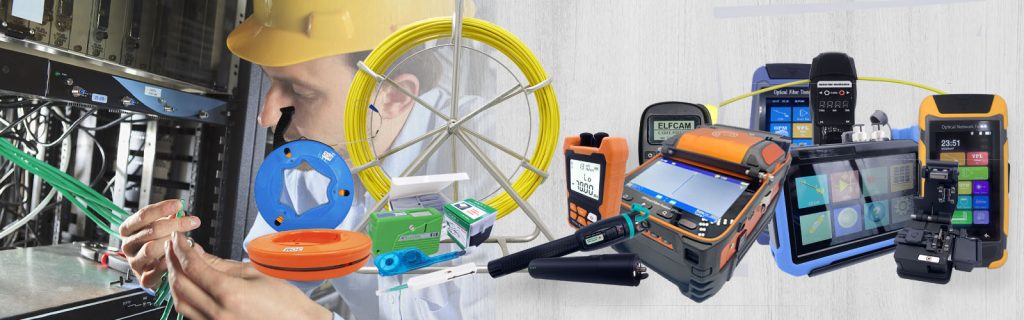
- Spelafili per cavo in fibra — per rimuovere la guaina esterna senza danneggiare le fibre
- Cleaver di precisione — taglio netto perpendicolare alla fibra, indispensabile per una giunzione o un connettore puliti
- Giuntatrice ad arco (fusion splicer) — per le giunzioni per fusione, o kit di connettori meccanici per le installazioni più semplici
- Spelafibra (Fiber Stripper) — rimuove il rivestimento acrilico da 250 µm attorno alla fibra nuda
Strumenti di tiraggio e posa:
- Sonda tirafili o cavo tirafili — per far passare il cavo nei condotti
- Condotto in PVC o ICTA — protezione meccanica obbligatoria nell'installazione a vista o sotto massetto
- Fascette di fissaggio e graffette — per mantenere il cavo senza comprimerlo
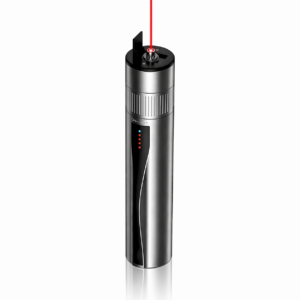
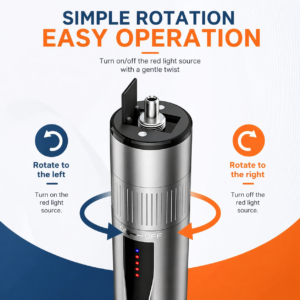
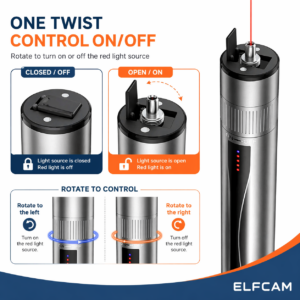
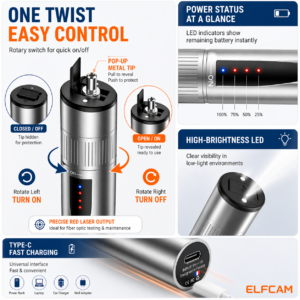
- Tester di continuità ottica (sorgente luminosa + fotorivelatore) — verifica rapida prima della giunzione
Strumenti di test e validazione:
- OTDR (riflettometro) — misura le perdite per riflessione e localizza i difetti sul collegamento
- Misuratore di potenza ottica (power meter) — misura l'attenuazione totale del collegamento
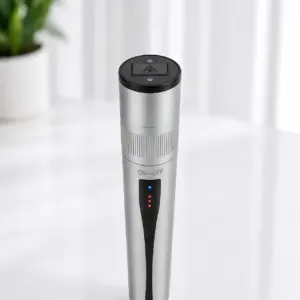
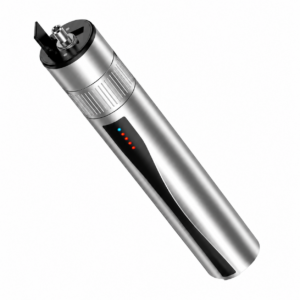
- Microscopio di ispezione dei connettori — verifica la pulizia della faccia del connettore prima di collegare
Consiglio
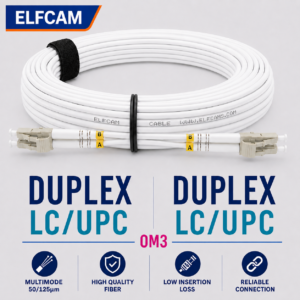
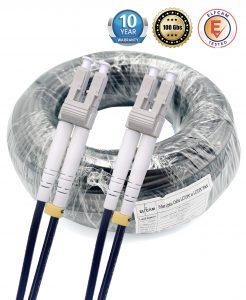
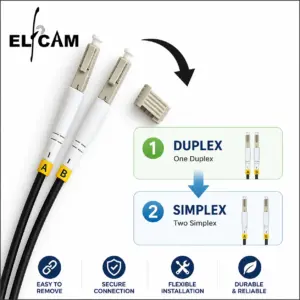
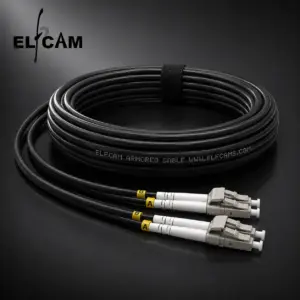
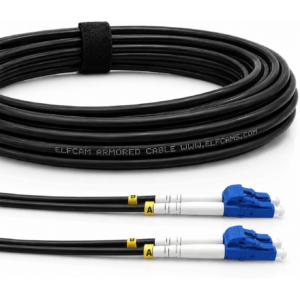
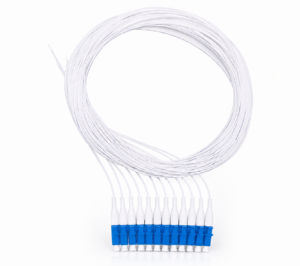
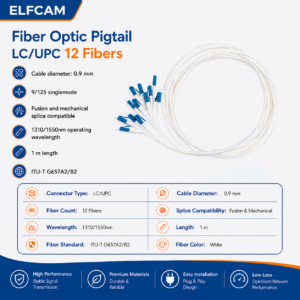
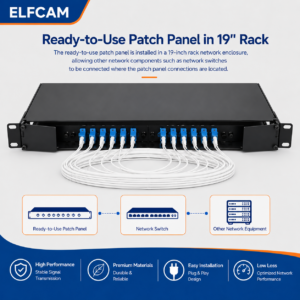
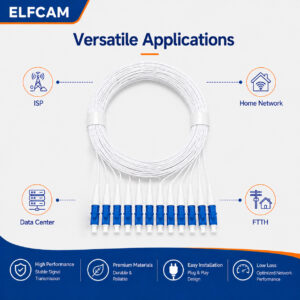
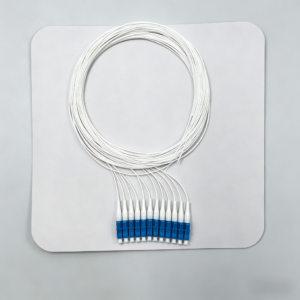
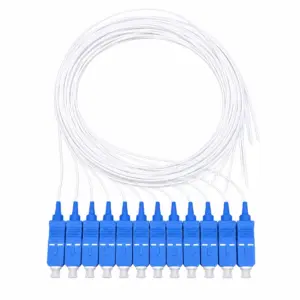
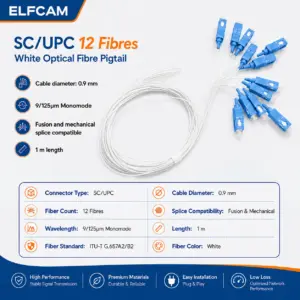
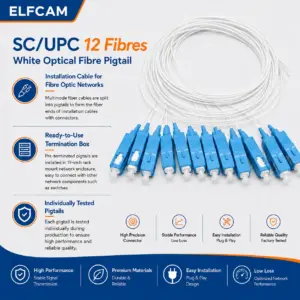
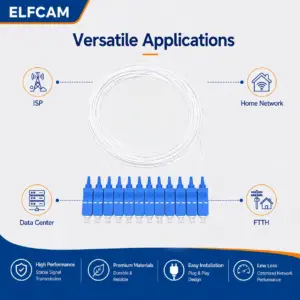
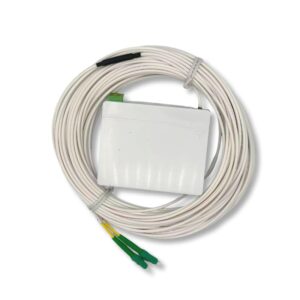
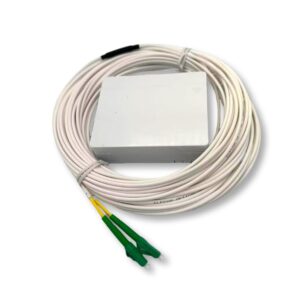
Per un'installazione residenziale semplice (collegamento FTTH, collegamento punto-punto corto), una bretella preconnettorizzata elimina le fasi di giunzione e connettorizzazione. Avete bisogno solo di un tirafili e di un tester di continuità.
Pianificare il percorso del cavo in fibra ottica
La pianificazione del percorso è la fase più importante — e quella più spesso trascurata. Un percorso sbagliato impone curvature troppo strette, punti di stress meccanico o lunghezze eccessive che aumentano l'attenuazione.
Identificate i punti di partenza e di arrivo (PBO, PTO, locale tecnico, pannello di permutazione), poi tracciate il percorso rispettando queste regole:
- Raggio di curvatura minimo — mai meno di 10× il diametro del cavo (tipicamente 30–50 mm per un cavo interno standard). Al di sotto, le fibre si deformano e l'attenuazione esplode.
- Lunghezza totale — integrate un margine dal 10 al 15 % per le deviazioni impreviste e le anse di riserva alle estremità
- Passaggi di soletta o di muro — predisponete guaine ICTA prima di colare il calcestruzzo o di richiudere le pareti divisorie
- Separazione dai cavi elettrici — la fibra non è sensibile ai campi elettromagnetici, ma mantenete 5 cm di distanza per la facilità di manutenzione
- Accessibilità delle scatole di giunzione — devono restare accessibili per gli interventi futuri
Scegliere il cavo giusto in base all'ambiente
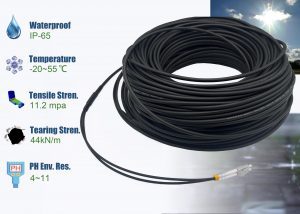
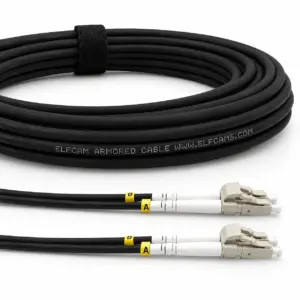
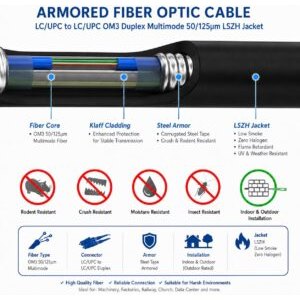
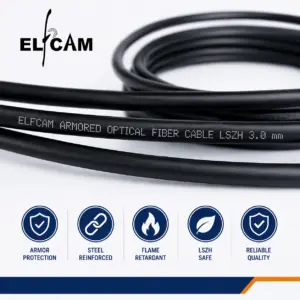
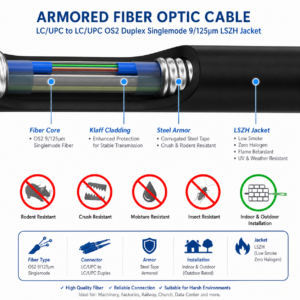
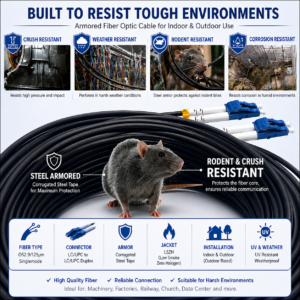
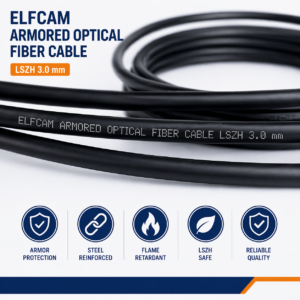
La scelta del cavo condiziona tutta l'installazione. Un cavo interno posato all'esterno si degrada in pochi mesi per effetto dei raggi UV e dell'umidità. Un cavo esterno armato installato all'interno è più difficile da maneggiare e più costoso senza motivo.
| Criterio | Cavo interno | Cavo esterno armato |
|---|---|---|
| Ambiente | Interno asciutto, guaina, condotto | Esterno, interrato, facciata |
| Guaina esterna | PVC flessibile | Acciaio armato + PE nero |
| Resistenza ai raggi UV | No | Sì (guaina nera in PE) |
| Resistenza all'umidità | Bassa | Gel idrofobo integrato |
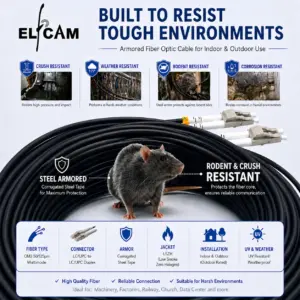
| Resistenza ai roditori | No | Sì (armatura in acciaio) |
| Raggio di curvatura | 30 mm min | 50 mm min |
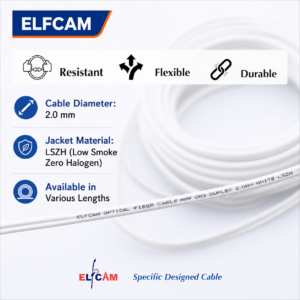
| Diametro tipico | 2–3 mm | 8–12 mm |
| Posa interrata | No | Sì (con guaina) |
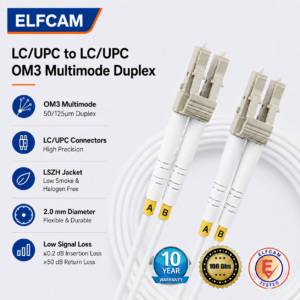
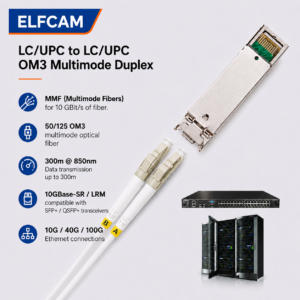
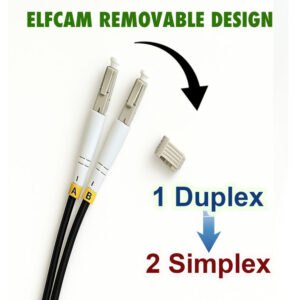
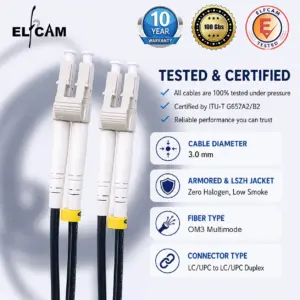
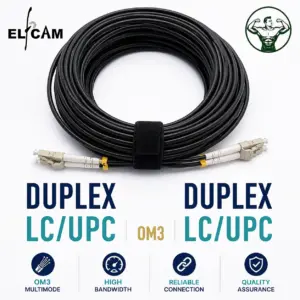
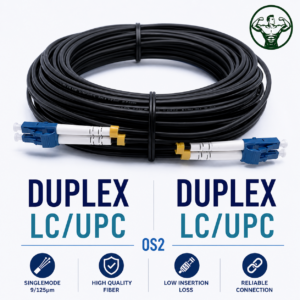
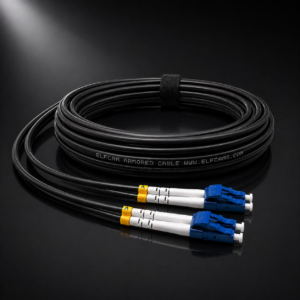
Per la fibra monomodale (OS2), il segnale può percorrere diversi chilometri — ideale per i collegamenti a lunga distanza tra edifici. Per la fibra multimodale (OM3/OM4), la portata è limitata a 300–400 m in 10G ma la tolleranza ai connettori è maggiore, il che semplifica le piccole installazioni aziendali.


Preparare e tirare il cavo in fibra ottica
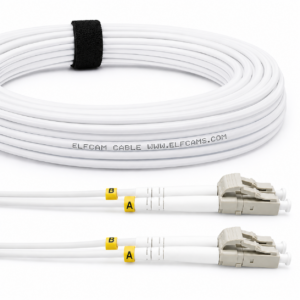
Il tiraggio del cavo è la fase più fisica dell'installazione. La regola d'oro: non forzare mai. La fibra sopporta una trazione limitata (tipicamente 100–600 N a seconda del cavo) e un kink (piegatura brusca) crea una perdita di segnale permanente invisibile a occhio nudo.
Procedura di tiraggio in condotto:
- Fate passare prima la sonda tirafili nel condotto per tutta la lunghezza prima di attaccare il cavo
- Attaccate il cavo alla sonda con un manicotto di tiraggio (evita di concentrare la trazione sulle fibre)
- Tirate in modo regolare e lento — fate avanzare il cavo dall'estremità di partenza mentre tirate dall'altra estremità se possibile
- Se il cavo resiste, verificate i gomiti e i punti di attrito — utilizzate talco o grasso di tiraggio appropriato
- Lasciate una riserva da 1 a 2 m a ciascuna estremità per i collegamenti e i futuri ricablaggi
Posa a vista (senza condotto):
- Fissate il cavo con fascette di plastica non strette — non comprimere mai la guaina
- Create i gomiti con un raggio rispettato — utilizzate guide di curvatura ai cambi di direzione
- Nella posa a muro, distanziate i fissaggi di 40–60 cm per evitare che il cavo penda
Giuntare e collegare le fibre
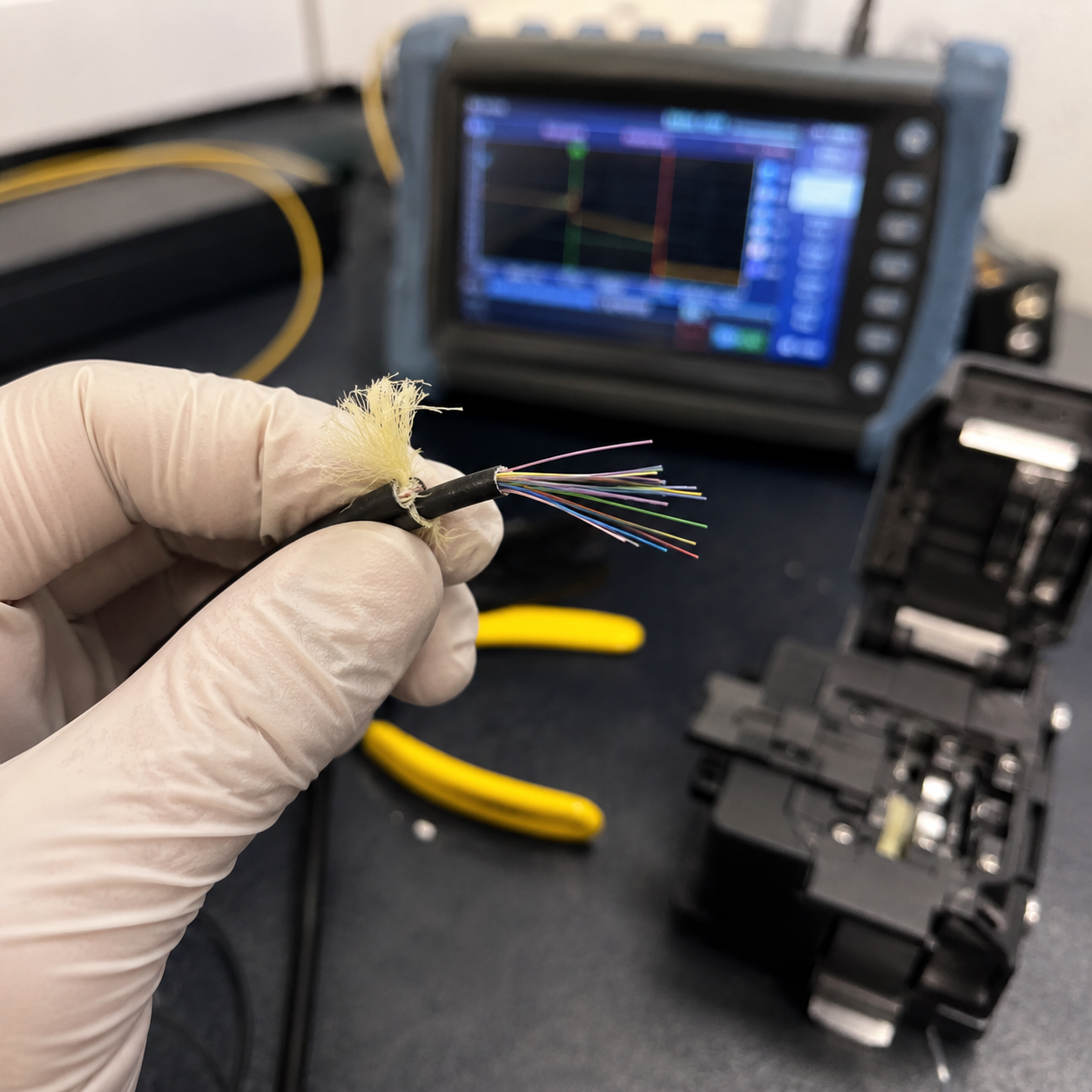
È la fase di precisione. Esistono due metodi principali per terminare una fibra: la giunzione per fusione (giunzione termica) e la connettorizzazione meccanica (connettore a compressione o per lucidatura). La fusione offre perdite molto inferiori (< 0,1 dB) ma richiede una giuntatrice ad arco. I connettori meccanici sono più accessibili ma presentano perdite da 0,2 a 0,5 dB.
Fasi di connettorizzazione (metodo connettore):
- Spelare il cavo — rimuovere la guaina esterna su 3–5 cm con lo spelafili adeguato
- Spelare la fibra — rimuovere il rivestimento acrilico su 2–3 cm con il Fiber Stripper
- Pulire — pulire la fibra nuda con una salvietta IPA al 99 % senza pelucchi
- Tagliare con il cleaver — tagliare la fibra con il cleaver di precisione. La faccia deve essere piana e perpendicolare (angolo < 0,5°)
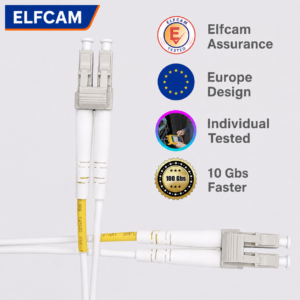
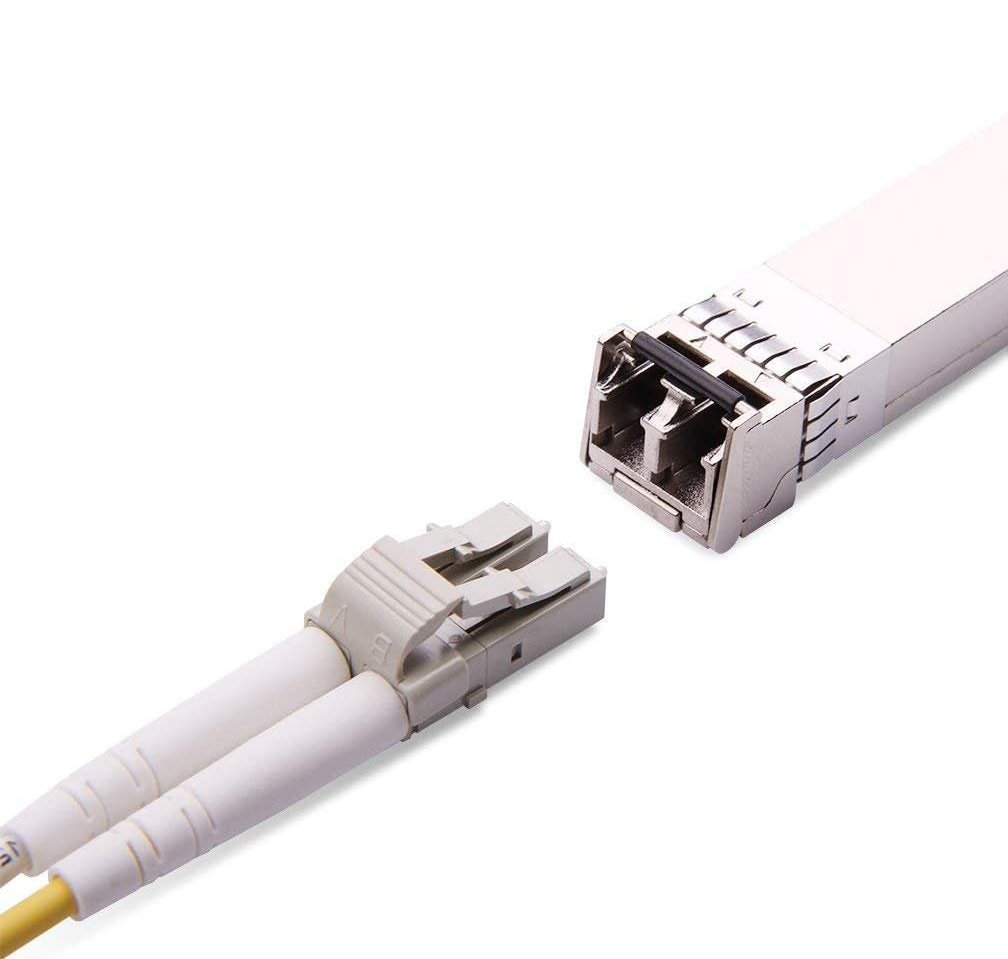
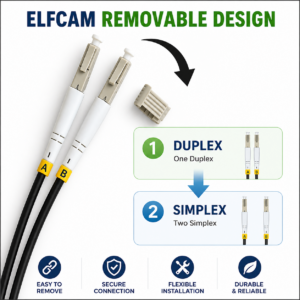
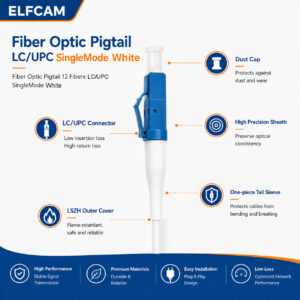
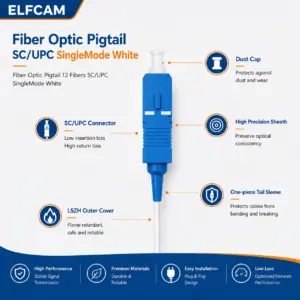
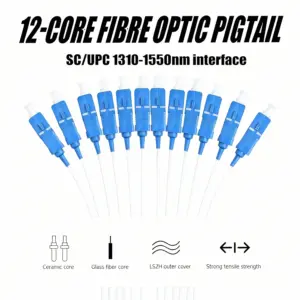
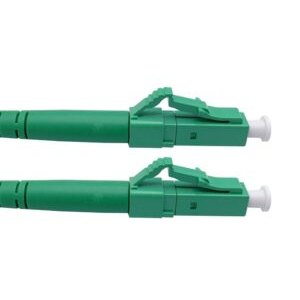
- Inserire nel connettore — introdurre la fibra nel connettore LC, SC o altro fino in fondo
- Crimpare o incollare — a seconda del tipo di connettore (epossidico, press-fit, gel index-matching)
- Lucidare la faccia — per i connettori epossidici, lucidare progressivamente (carta 12 µm → 1 µm)
- Ispezionare — verificare la faccia al microscopio 200× prima di qualsiasi collegamento
Testare e validare l'installazione in fibra ottica
Nessuna installazione in fibra deve essere messa in servizio senza validazione. Le perdite invisibili a occhio nudo possono dimezzare la velocità o rendere il collegamento instabile sotto carico. Si raccomandano due livelli di test:
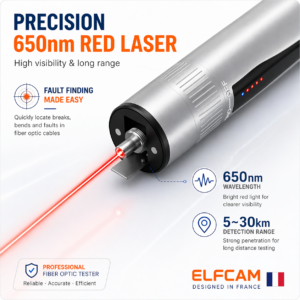
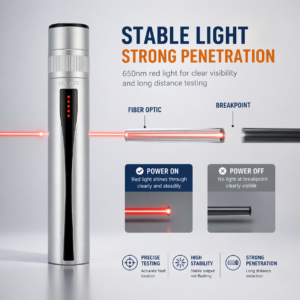
Test 1 — Continuità ottica (test rapido): Iniettate luce visibile (sorgente rossa 650 nm) da un'estremità. La luce deve essere visibile all'altra estremità. Questo test conferma che la fibra è continua e non rotta, ma non misura le perdite.
Test 2 — Misura di attenuazione (test di qualificazione): Utilizzate un emettitore ottico calibrato e un fotorivelatore (power meter) per misurare la perdita totale del collegamento in dB. Confrontate con il budget ottico calcolato:
- Fibra OM3, collegamento 100 m, 2 connettori: perdita totale prevista ≈ 0,5 + 2 × 0,3 = 1,1 dB max
- Fibra OS2, collegamento 500 m, 4 connettori: perdita totale prevista ≈ 0,18 + 4 × 0,3 = 1,38 dB max
- Se la misura supera il budget: cercate un connettore sporco, un kink, o una giunzione mal fusa
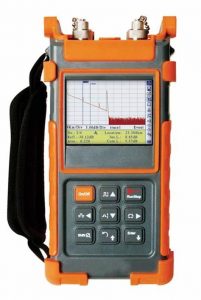
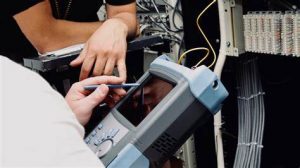
Test 3 — OTDR (test di diagnostica): Il riflettometro invia impulsi luminosi e misura le riflessioni. Produce una traccia che mostra ogni connettore, ogni giunzione e ogni anomalia con la sua posizione precisa in metri. Indispensabile per i collegamenti lunghi o nell'ambito di una consegna al cliente.
Gli errori da non commettere
Questi errori sono i più frequenti sul campo — e i più costosi in fase di riparazione:
- Piegare il cavo ad angolo vivo — una piegatura brusca rompe o deforma le fibre in modo permanente
- Collegare senza ispezionare — una particella di polvere sulla faccia di un connettore causa da 1 a 3 dB di perdita aggiuntiva
- Stringere le fascette di fissaggio — la pressione laterale sul cavo crea perdite per curvatura (macro-bending)
- Confondere APC e UPC — un connettore SC/APC (bisello verde) non deve mai essere collegato a un SC/UPC (faccia blu) senza adattatore ibrido
- Mescolare OM3 e OM4 in uno stesso collegamento — le fibre sono compatibili ma le prestazioni sono limitate dall'anello più debole
- Dimenticare le anse di riserva — lasciare sempre 1 m di riserva nelle scatole di giunzione per i futuri interventi
- Non proteggere le estremità — conservate i cappucci di protezione su tutti i connettori non utilizzati